Simple Grilled BBQ Ribs: Low & Slow on a Charcoal Grill
There's a moment about an hour into grilling ribs when the smoke curls up from the lid and the air smells like pepper and pork fat. That's when you know it's working. Simple grilled BBQ ribs don't need a smoker or a fancy rub. They need a steady fire, the right salt ratio, and patience.

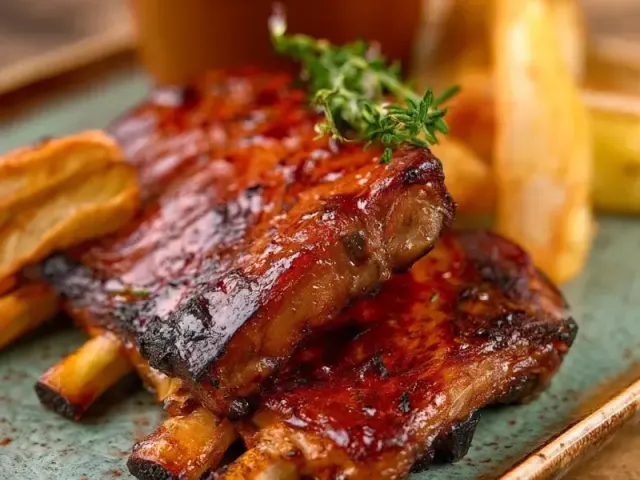
I keep the approach minimal: a dry brine, a two-zone charcoal fire, and no wrapping. The result is a rack with a dark, peppery bark and meat that pulls cleanly from the bone—not falling off, but yielding with a gentle tug. Here's how I do it.
Start with the Right Ribs
I use pork spare ribs for this recipe. They have more fat and connective tissue than baby backs, which means they stay moist during the long cook. Look for racks that feel heavy for their size and have an even layer of meat across the bones. The membrane on the back needs to come off—if left on, it turns into a chewy, plastic-like barrier that blocks smoke and seasoning. Slide a butter knife under the membrane at one end, then grab it with a paper towel and pull. It usually comes off in one piece.
The Dry Brine Ratio
This is the one ratio you won't find on every site. For 4-5 pounds of ribs, I use exactly 2 tablespoons of kosher salt. That's about 1 teaspoon per pound of meat. The rest of the rub—smoked paprika, garlic powder, black pepper, a little cayenne—is flavor, not salt. Mix them together and apply generously, but don't overdo it. The salt needs at least an hour to work into the meat. Twelve hours is better. Cover the ribs loosely and let them rest in the fridge. The salt draws out moisture, then pulls it back in, carrying flavor deep into the muscle. This is not a marinade. It's a dry brine, and it changes the texture of the meat.
Building the Fire
A charcoal grill is ideal for ribs because it produces clean, radiant heat. Set up a two-zone fire: pile the lit coals on one side of the grill and leave the other side empty. Place a disposable aluminum drip pan on the empty side. The ribs go over the pan, not over the coals. This is indirect heat. The target temperature on the grill grate is 225-250°F (107-121°C). If you don't have a thermometer on the lid, buy a simple oven thermometer and set it on the grate. Adjust the vents to control the temperature—open vents let more oxygen in, which raises the heat. Closed vents starve the fire and cool it down. Add 5 or 6 unlit briquettes every 45 minutes to keep the fire going without a spike.
One common mistake: opening the lid too often. Every time you lift the lid, the temperature drops by 20-30 degrees and takes time to recover. Resist the urge to peek. Trust the fire.
The Cook: Low, Slow, and Unwrapped
Place the ribs bone-side down on the grate over the drip pan. Close the lid. Let them cook undisturbed for 2 hours. The smoke from the coals will color the surface and build the bark. After 2 hours, mix equal parts apple cider vinegar and water in a spray bottle. Spritz the ribs lightly every 20 minutes for the next 30 minutes. This adds moisture and a subtle tang, but don't soak them—just a few pumps per rack.
Total cooking time is usually around 2.5 to 3 hours. But time is a guideline, not a guarantee. The real test is temperature and feel. Insert an instant-read thermometer between the bones, not into the meat. You're looking for 195-203°F (90-95°C). At that range, the collagen has broken down into gelatin, and the meat will be tender. The bend test is also reliable: pick up the rack with tongs at one end. If the rack bends into a U-shape and the meat on the surface starts to crack, it's done. If it's still stiff, give it another 15-20 minutes.
To Glaze or Not to Glaze
I prefer ribs without sauce, but if you want a sticky finish, brush on your favorite BBQ sauce during the last 10 minutes of cooking. Let it set over the heat—don't let it burn. The sugar in the sauce can char quickly, so keep the lid open and watch it.
Remove the ribs from the grill, wrap them loosely in foil, and rest for 10 minutes. This lets the juices redistribute. Slice between the bones and serve.
The Takeaway
Simple grilled BBQ ribs are about technique, not mystery. Dry brine, steady heat, and a thermometer. Skip the wrap, skip the fancy rubs, and let the fire do the work. The meat will tell you when it's ready.
Frequently Asked Questions
How do I know when the ribs are done without a thermometer?
Use the bend test. Pick up the rack with tongs from the middle. If the ribs bend significantly and the meat cracks on the surface, they're done. You can also insert a toothpick between the bones—it should slide in with little resistance.
Should I wrap ribs in foil during cooking?
Wrapping (the 3-2-1 method) can speed up cooking and make ribs very tender, but it also steams the meat and softens the bark. For this recipe, we skip the wrap to keep the bark firm and the texture more traditional. If you prefer fall-off-the-bone ribs, wrap in foil after 2 hours, add a splash of apple cider vinegar, and cook another hour before finishing unwrapped.
Can I use baby back ribs instead of spare ribs?
Yes. Baby back ribs are smaller and leaner. Reduce the initial cook time to about 1 hour 30 minutes before spritzing, and start checking doneness at 2 hours total. The same temperature and method apply.
Why do I need a dry brine?
Dry brining (salting the ribs ahead of time) draws moisture out of the meat initially, then that moisture mixes with the salt and is reabsorbed. This seasons the meat all the way through and helps it retain juices during cooking. It also helps form a better bark on the surface.
How do I keep the grill temperature steady?
Use a good quality charcoal that burns consistently, like lump charcoal. Don't open the lid often—every time you do, heat escapes. Add a few unlit briquettes every 45 minutes to maintain the fire. Adjust the bottom and top vents: more air = hotter fire, less air = cooler fire. A small oven thermometer on the grate helps you see the actual temp.
Simple Grilled BBQ Ribs

Tender, smoky ribs using a dry brine and a two-zone charcoal fire. No wrapping, no fuss—just meat, smoke, and time.
- charcoal grill
- charcoal chimney
- instant-read thermometer
- spray bottle
- tongs
- aluminum foil (optional for resting)
- 2 racks of pork spare ribs (about 4-5 lbs total)
- 2 tablespoons kosher salt
- 1 tablespoon smoked paprika
- 1 tablespoon garlic powder
- 1 teaspoon black pepper
- 1 teaspoon cayenne pepper (optional)
- 1/2 cup apple cider vinegar
- 1/2 cup water
- Your favorite BBQ sauce (optional, for glazing)
- Remove the thin membrane from the back of each rib rack. Slide a butter knife under the membrane at one end, then grip with a paper towel and pull it off.
- Mix the salt, smoked paprika, garlic powder, black pepper, and cayenne in a small bowl. This is your dry brine/rub.
- Pat the ribs dry with paper towels. Rub the dry brine mixture all over both sides of the racks. Place on a baking sheet, cover loosely with plastic wrap, and refrigerate for at least 1 hour (up to 12 hours).
- About 30 minutes before grilling, remove ribs from the fridge to come to room temperature.
- Prepare a two-zone fire in a charcoal grill: fill a chimney starter with charcoal, light it, and let burn until coals are covered with gray ash. Pour the hot coals onto one side of the grill only. Leave the other side empty. Place a drip pan on the empty side.
- Aim for a grill temperature of 225-250°F (107-121°C) on the indirect side. Adjust the vents to control airflow—open vents raise temp, closed vents lower it.
- Once the grill is stable, place the ribs bone-side down on the grate over the drip pan (the cool side). Close the lid.
- Cook for 2 hours, maintaining the temperature. Add 5-6 unlit charcoal briquettes every 45 minutes to keep the fire steady. Do not lift the lid more than necessary.
- After 2 hours, mix the apple cider vinegar and water in the spray bottle. Spritz the ribs lightly every 20 minutes for the next 30 minutes.
- Check for doneness: the internal temperature should be around 195-203°F (90-95°C) between the bones. Another test: pick up the rack with tongs at one end—it should bend and the meat should start to crack on the surface. If it's still stiff, cook another 15-20 minutes.
- Optional: for a glazed finish, brush your favorite BBQ sauce onto the ribs during the last 10 minutes of cooking. Let the sauce set over the heat.
- Remove ribs from the grill, wrap loosely in foil, and rest for 10 minutes before slicing between the bones. Serve hot.
Store leftover ribs in an airtight container in the fridge for up to 3 days. To reheat, wrap in foil and warm in a 300°F oven for 15 minutes. These ribs freeze well for up to 2 months; thaw overnight in the fridge before reheating.
Recipe: Simple Grilled BBQ Ribs
Equipment
- charcoal grill
- charcoal chimney
- instant-read thermometer
- spray bottle
- tongs
- aluminum foil (optional for resting)
Ingredients
- 2 racks of pork spare ribs (about 4-5 lbs total)
- 2 tablespoons kosher salt
- 1 tablespoon smoked paprika
- 1 tablespoon garlic powder
- 1 teaspoon black pepper
- 1 teaspoon cayenne pepper (optional)
- 1/2 cup apple cider vinegar
- 1/2 cup water
- Your favorite BBQ sauce (optional, for glazing)
Instructions
- Remove the thin membrane from the back of each rib rack. Slide a butter knife under the membrane at one end, then grip with a paper towel and pull it off.
- Mix the salt, smoked paprika, garlic powder, black pepper, and cayenne in a small bowl. This is your dry brine/rub.
- Pat the ribs dry with paper towels. Rub the dry brine mixture all over both sides of the racks. Place on a baking sheet, cover loosely with plastic wrap, and refrigerate for at least 1 hour (up to 12 hours).
- About 30 minutes before grilling, remove ribs from the fridge to come to room temperature.
- Prepare a two-zone fire in a charcoal grill: fill a chimney starter with charcoal, light it, and let burn until coals are covered with gray ash. Pour the hot coals onto one side of the grill only. Leave the other side empty. Place a drip pan on the empty side.
- Aim for a grill temperature of 225-250°F (107-121°C) on the indirect side. Adjust the vents to control airflow—open vents raise temp, closed vents lower it.
- Once the grill is stable, place the ribs bone-side down on the grate over the drip pan (the cool side). Close the lid.
- Cook for 2 hours, maintaining the temperature. Add 5-6 unlit charcoal briquettes every 45 minutes to keep the fire steady. Do not lift the lid more than necessary.
- After 2 hours, mix the apple cider vinegar and water in the spray bottle. Spritz the ribs lightly every 20 minutes for the next 30 minutes.
- Check for doneness: the internal temperature should be around 195-203°F (90-95°C) between the bones. Another test: pick up the rack with tongs at one end—it should bend and the meat should start to crack on the surface. If it's still stiff, cook another 15-20 minutes.
- Optional: for a glazed finish, brush your favorite BBQ sauce onto the ribs during the last 10 minutes of cooking. Let the sauce set over the heat.
- Remove ribs from the grill, wrap loosely in foil, and rest for 10 minutes before slicing between the bones. Serve hot.