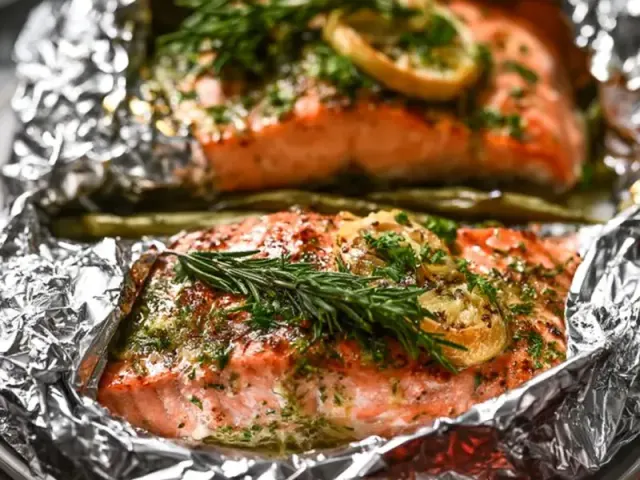
One-Pan Grilled Salmon Foil Packets for Perfectly Moist Fish
There's a reason foil packets are a summer staple. They trap steam, keep the fish from drying out, and make cleanup almost laughably easy. But the real trick—the one that separates a decent packet from a great one—is understanding how that steam works. I've dialed in the method over years of testing, and the key is a precise ratio of butter to fish and a specific fold that allows just enough airflow.

Why Foil Packets Work for Salmon
Salmon is lean compared to, say, a ribeye, and it's easy to overcook. The foil creates a mini-oven that circulates moist heat around the fillet. The butter and lemon add flavor, but they also regulate the steam. Too much liquid and the fish braises, turning soft and mushy. Too little and it dries out. The ratio I stick to: 1 tablespoon of butter per 6-ounce fillet, plus a couple of thin lemon slices. That's enough to season without drowning.
The Exact Fold for Even Cooking
How you seal the packet matters more than you'd think. I see people crimp the edges so tight that no steam can escape, which leads to a soggy top. Here's what works: bring the long sides of the foil together over the salmon and fold them over twice, creating a tight seam. Then crimp the ends, but leave a tiny gap—about the width of a pencil—at one corner. That small vent lets excess steam escape while keeping enough moisture inside. The result? A fillet that's moist but not wet, with a slightly firmer exterior.
Visual Cues During Grilling
After about 10 minutes on a medium-high grill (400°F/200°C), you'll see the packet puff up slightly. That's steam building pressure. If you hear a gentle hiss from the vent, you've got it right. At 12 minutes, the fish should flake easily with a fork. For precision, use an instant-read thermometer: 135°F (57°C) is my target for carryover cooking. Let it rest two minutes in the foil, and it'll climb to a safe 145°F.
The Common Mistake: Overfilling the Packet
I see folks throw in a mountain of vegetables alongside the salmon. That's fine if you're after a one-pan meal, but it changes the cooking dynamics. Vegetables release water, which dilutes the butter and lemon, and can make the salmon steam unevenly. If you want veggies, use thin slices (zucchini, bell pepper, or asparagus) and place them under the fillet, not on top. That way they cook in the drippings, not the other way around. Also, keep the total veggie weight to about half the salmon weight—3 ounces per fillet max.
Temperature and Timing: The Non-Negotiables
Grill heat is critical. Medium-high means you can hold your hand about 5 inches above the grate for 3-4 seconds before pulling away. If it's too hot, the foil can scorch and the fish will cook too fast on the bottom. Too cool, and the salmon will steam too slowly, losing moisture. For a standard 1-inch-thick fillet, 12 minutes is the sweet spot. For every additional half-inch, add 2 minutes. And always check the thickest part of the fillet with a thermometer—don't rely on time alone.
What About Skin?
I prefer skin-on for foil packets. The skin acts as a barrier, protecting the delicate flesh from direct heat. It also adds a bit of richness. If you don't like the skin, it peels off easily after cooking. Just slide a spatula between the skin and the flesh—it should release cleanly.
Takeaway
Grilled salmon foil packets are forgiving, but they reward a little precision. Stick to the butter-to-fish ratio, use that small vent in the fold, and keep an eye on internal temperature. You'll get consistently moist, flaky salmon without the stress. And remember, caffeine from any coffee you pair with this meal affects people differently—individual sensitivity varies, so enjoy in moderation.
Frequently Asked Questions
Can I use frozen salmon for foil packets?
Yes, but thaw it completely in the refrigerator first. Frozen salmon releases excess water, which can make the fish soggy and throw off cooking time. Pat it dry before seasoning.
What if I don't have heavy-duty foil?
Use two layers of regular foil. Heavy-duty foil is less likely to tear, especially when handling hot packets on the grill.
How do I prevent the salmon from sticking to the foil?
Spray the foil lightly with nonstick cooking spray or brush with oil before placing the salmon. This also helps the skin release easily if you leave it on.
Can I cook these packets in the oven?
Absolutely. Place the packets on a baking sheet in a 400°F (200°C) oven for 15-18 minutes, or until the fish flakes easily.
What internal temperature should salmon be?
For optimal moisture and flakiness, cook to 135°F (57°C) then let rest—carryover cooking will bring it to 145°F (63°C). Use an instant-read thermometer for accuracy.
One-Pan Grilled Salmon Foil Packets

A simple, foolproof method for grilling salmon in foil packets, ensuring moist, flaky fish with minimal cleanup. Includes exact timing and a key ratio for perfect doneness.
- heavy-duty aluminum foil
- grill (gas or charcoal)
- tongs
- instant-read thermometer
- cutting board
- chef's knife
- 2 6-ounce salmon fillets, skin on or off
- 1 medium lemon (thinly sliced)
- 2 tablespoons unsalted butter (cut into small pieces)
- 2 cloves garlic (thinly sliced)
- Salt and freshly ground black pepper
- Fresh dill or parsley sprigs (optional)
- Preheat your grill to medium-high heat, around 400°F (200°C). Clean and oil the grates.
- Tear two large sheets of heavy-duty aluminum foil, about 12x18 inches each. Lay them flat.
- Place a salmon fillet in the center of each foil sheet, skin-side down if skin is on. Season with salt and pepper.
- Top each fillet with lemon slices, garlic slices, and butter pieces. Add dill or parsley if using.
- Fold the foil tightly: bring the long sides together and fold over twice, then crimp the ends to seal. Leave a small pocket of air for steam.
- Place the packets on the grill, seam-side up. Close the lid and cook for 12-15 minutes, depending on thickness (about 10 minutes per inch of thickness).
- To check doneness, carefully open one packet (watch for steam). The salmon should flake easily with a fork and reach 135°F (57°C) internally. Carryover cooking will bring it to 145°F.
- Remove packets from grill, let rest 2 minutes. Serve directly in the packet or transfer to plates, drizzling with accumulated juices.
For even cooking, ensure fillets are similar thickness. If using thin fillets (under 1 inch), reduce cook time by 2-3 minutes. To add vegetables, layer thin slices of zucchini or bell peppers under the salmon. Store leftovers in an airtight container in the fridge for up to 2 days; reheat gently in a low oven.
Recipe: One-Pan Grilled Salmon Foil Packets
Equipment
- heavy-duty aluminum foil
- grill (gas or charcoal)
- tongs
- instant-read thermometer
- cutting board
- chef's knife
Ingredients
- 2 6-ounce salmon fillets, skin on or off
- 1 medium lemon (thinly sliced)
- 2 tablespoons unsalted butter (cut into small pieces)
- 2 cloves garlic (thinly sliced)
- Salt and freshly ground black pepper
- Fresh dill or parsley sprigs (optional)
Instructions
- Preheat your grill to medium-high heat, around 400°F (200°C). Clean and oil the grates.
- Tear two large sheets of heavy-duty aluminum foil, about 12x18 inches each. Lay them flat.
- Place a salmon fillet in the center of each foil sheet, skin-side down if skin is on. Season with salt and pepper.
- Top each fillet with lemon slices, garlic slices, and butter pieces. Add dill or parsley if using.
- Fold the foil tightly: bring the long sides together and fold over twice, then crimp the ends to seal. Leave a small pocket of air for steam.
- Place the packets on the grill, seam-side up. Close the lid and cook for 12-15 minutes, depending on thickness (about 10 minutes per inch of thickness).
- To check doneness, carefully open one packet (watch for steam). The salmon should flake easily with a fork and reach 135°F (57°C) internally. Carryover cooking will bring it to 145°F.
- Remove packets from grill, let rest 2 minutes. Serve directly in the packet or transfer to plates, drizzling with accumulated juices.