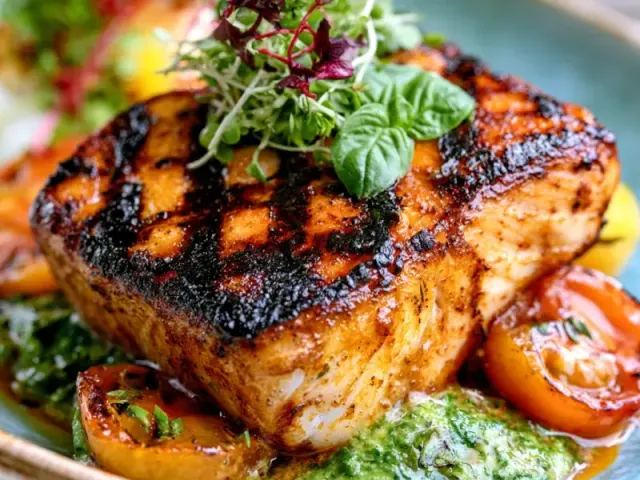
How to Cook Fresh Grilled Mahi Mahi Perfectly Every Time
There's a moment when a mahi mahi fillet hits a hot grill — the sizzle, the faint smoke, the way the edges begin to turn opaque. That sound tells you something good is happening. But grilling fish can feel like a gamble. Leave it a minute too long and it's dry. Flip it too soon and it sticks. I've been there.

Fresh mahi mahi is forgiving when you know two things: how hot your grill should be, and the exact internal temperature to pull the fish off. That's really all it takes.
Why Mahi Mahi Works on the Grill
Mahi mahi has a firm, lean flesh that holds up well to direct heat. It's not as delicate as sole or flounder. The fillets are thick enough to take a good sear without drying out — provided you respect the timing. The trick is to cook it hot and fast.
One common mistake is marinating too long. Citrus and fish are friends, but left together too long, the acid starts to cook the fish. Ten minutes is plenty. Any longer and the surface turns mealy.
The Exact Technique
Start with the right thickness. Look for fillets about an inch thick. If they're much thinner, reduce the cooking time by a minute per side. Much thicker, and you risk burning the outside before the center cooks through.
Pat the fillets dry. This step matters more than most people think. Any moisture on the surface creates steam, which prevents browning and encourages sticking. A dry fillet develops those beautiful grill marks.
The marinade I use most often is simple: olive oil, lime juice, garlic, cumin, smoked paprika, salt, and pepper. The cumin and paprika add warmth without overpowering the fish. The lime brightens everything.
Let the fish sit in the marinade at room temperature for exactly 10 minutes. Not in the fridge — cold fish cooks unevenly on the grill.
Getting the Grill Ready
Preheat your grill to medium-high, about 400°F (204°C). Clean the grates with a stiff brush, then oil them. I dab a folded paper towel in a high-smoke-point oil like avocado or grapeseed, hold it with tongs, and run it over the grates. This is the best insurance against sticking.
Place the fillets on the grill diagonally to the grates. Close the lid. Let them cook undisturbed for 4 minutes. I know it's tempting to peek, but don't. The fish needs that time to form a crust and release naturally.
After 4 minutes, slide a fish spatula under one fillet. If it lifts easily, it's ready to flip. If it resists, give it another 30 seconds. Cook the second side for 3 to 4 minutes.
The Doneness Number That Matters
Here's the most reliable method: use an instant-read thermometer. Insert it into the thickest part of the fillet. Pull the fish off when it reads 140°F (60°C). Carryover cooking will bring it to 145°F (63°C), the safe minimum recommended by the FDA.
Without a thermometer, look for the fish to flake easily with a fork and be opaque all the way through. The center should no longer look translucent. But a thermometer is more precise — and precision matters with lean fish.
Let the fillets rest for 2 minutes before serving. This lets the juices redistribute. Serve with a squeeze of fresh lime and a sprinkle of cilantro.
A Few More Things
If you're using frozen mahi mahi, thaw it overnight in the refrigerator. Pat it very dry — frozen fish holds more water, so drying is even more important.
Leftovers keep in the fridge for up to 2 days. I flake the cold fish into salads or tuck it into tacos with a little cabbage and crema. It's almost better the next day.
Grilling fish doesn't have to be stressful. A clean, hot grill. A short marinade. A thermometer. That's the whole formula. Once you've done it this way, you'll know exactly how it should look, feel, and taste — and you'll come back to it again and again.
Takeaway: The key to perfectly grilled mahi mahi is a hot, oiled grill, a 10-minute marinade, and pulling the fish at 140°F (60°C). That's it. No fuss, just flaky, flavorful fish every time.
Frequently Asked Questions
How do I keep mahi mahi from sticking to the grill?
Start with a clean, oiled grill. Pat the fish dry before marinating — moisture causes sticking. Also, don't move the fish too soon; it will release naturally once a crust forms, usually after 4 minutes.
What internal temperature should mahi mahi be?
Remove mahi mahi from the grill when it reaches 140°F (60°C) at the thickest part. Carryover cooking will bring it to 145°F (63°C), the safe minimum recommended by the FDA.
Can I use frozen mahi mahi for this recipe?
Yes. Thaw it completely in the refrigerator overnight. Pat it very dry before marinating — frozen fish holds more water, so drying is extra important for good grill marks and texture.
What if I don't have a grill?
Use a grill pan over medium-high heat. Follow the same timing and temperature guidelines. A cast-iron grill pan works beautifully.
How do I know when mahi mahi is done without a thermometer?
Gently press the thickest part with a fork. If it flakes easily and the flesh is opaque all the way through, it's done. The center should no longer look translucent.
Cumin-Lime Grilled Mahi Mahi

A simple, reliable method for grilling fresh mahi mahi fillets with a bright cumin-lime marinade. The key is a hot, oiled grill and a precise internal temperature to keep the fish moist and flaky.
- outdoor grill or grill pan
- fish spatula
- instant-read thermometer
- small bowl
- tongs
- 4 mahi mahi fillets (6 oz each, about 1 inch thick)
- 3 tablespoons olive oil
- juice of 2 limes
- 2 cloves garlic (minced)
- 1 teaspoon ground cumin
- 1/2 teaspoon smoked paprika
- 1/2 teaspoon salt
- 1/4 teaspoon black pepper
- lime wedges and fresh cilantro for serving
- Pat the mahi mahi fillets dry with paper towels. This removes surface moisture for better browning.
- In a small bowl, whisk together olive oil, lime juice, minced garlic, cumin, smoked paprika, salt, and pepper.
- Place the fillets in a shallow dish and pour the marinade over them. Turn to coat. Let sit at room temperature for 10 minutes — no longer, or the acid will begin to cook the fish.
- Preheat your grill to medium-high heat, about 400°F (204°C). Clean the grates and oil them well with a high-smoke-point oil like avocado or grapeseed.
- Place the fillets on the grill, diagonally to the grates for nice marks. Close the lid and cook for 4 minutes without moving.
- Using a fish spatula, carefully flip each fillet. The fish should release easily — if it sticks, let it cook another 30 seconds. Cook for another 3-4 minutes.
- The fish is done when it flakes easily with a fork and the internal temperature reaches 140°F (60°C) at the thickest part. Remove from the grill immediately.
- Let rest for 2 minutes. Serve with lime wedges and fresh cilantro.
For even cooking, choose fillets of similar thickness. If using frozen mahi mahi, thaw completely in the refrigerator overnight and pat dry before marinating. Leftover grilled fish keeps in the fridge for up to 2 days; flake it into salads or tacos.
Recipe: Cumin-Lime Grilled Mahi Mahi
Equipment
- outdoor grill or grill pan
- fish spatula
- instant-read thermometer
- small bowl
- tongs
Ingredients
- 4 mahi mahi fillets (6 oz each, about 1 inch thick)
- 3 tablespoons olive oil
- juice of 2 limes
- 2 cloves garlic (minced)
- 1 teaspoon ground cumin
- 1/2 teaspoon smoked paprika
- 1/2 teaspoon salt
- 1/4 teaspoon black pepper
- lime wedges and fresh cilantro for serving
Instructions
- Pat the mahi mahi fillets dry with paper towels. This removes surface moisture for better browning.
- In a small bowl, whisk together olive oil, lime juice, minced garlic, cumin, smoked paprika, salt, and pepper.
- Place the fillets in a shallow dish and pour the marinade over them. Turn to coat. Let sit at room temperature for 10 minutes — no longer, or the acid will begin to cook the fish.
- Preheat your grill to medium-high heat, about 400°F (204°C). Clean the grates and oil them well with a high-smoke-point oil like avocado or grapeseed.
- Place the fillets on the grill, diagonally to the grates for nice marks. Close the lid and cook for 4 minutes without moving.
- Using a fish spatula, carefully flip each fillet. The fish should release easily — if it sticks, let it cook another 30 seconds. Cook for another 3-4 minutes.
- The fish is done when it flakes easily with a fork and the internal temperature reaches 140°F (60°C) at the thickest part. Remove from the grill immediately.
- Let rest for 2 minutes. Serve with lime wedges and fresh cilantro.