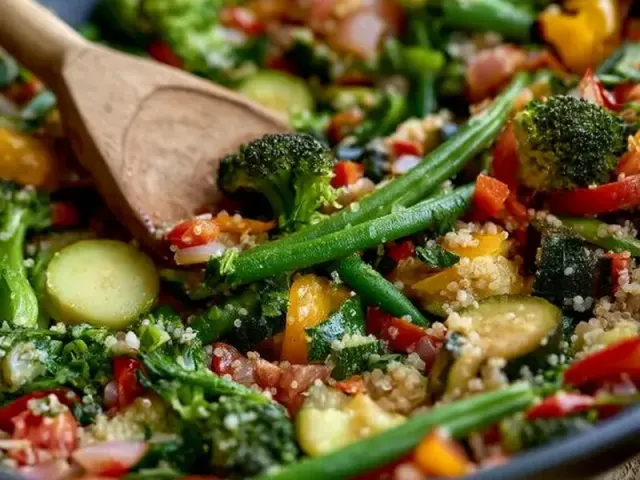
Foolproof Summer Veggie Stir Fry: A Simple, Crisp Method
There's a moment in late July when the farmer's market counter groans under the weight of zucchini, bell peppers, and snap peas. You bring them home, full of good intentions, then wonder how to cook them so they don't turn into a sad, watery pile. I've been there. The trick is a technique, not a recipe—a method that works for almost any summer vegetable.

The 4:1 Sauce-to-Veggie Ratio
Here's the specific angle you won't find everywhere: for a foolproof summer veggie stir fry, keep your sauce volume at a 4:1 ratio to the total vegetable volume. That means for 4 cups of chopped vegetables, you want about 1 cup of sauce. This isn't arbitrary—it's the sweet spot where each piece gets coated without the pan flooding. My sauce formula is simple: 3 tablespoons soy sauce, 1 tablespoon rice vinegar, 1 teaspoon sesame oil, 1 teaspoon cornstarch, and 1 tablespoon water. That yields exactly 1/4 cup, which works perfectly for 1 cup of vegetables (so scale up accordingly). The cornstarch is non-negotiable: it thickens the sauce into a glaze that clings, not a puddle.
Preheat Until It's Uncomfortable
Most home cooks underheat their pan. A wok or heavy skillet needs to be screaming hot—so hot that a drop of water dances and evaporates in under a second. That usually takes 2 to 3 minutes over high heat. Add your oil (use one with a high smoke point like avocado or peanut; olive oil will burn and taste bitter), then wait another 15 seconds until it shimmers. You want that first sizzle when vegetables hit the pan to be loud and immediate. If it's quiet, you're steaming, not stir-frying.
Order Matters, But Not the Way You Think
Harder vegetables go in first. Onions and bell peppers need a minute of head start over zucchini and snap peas. But here's the counterintuitive part: don't cook each vegetable separately and combine at the end. That's a common instruction that creates more dishes and cools down your pan. Instead, add them in waves—onions and peppers first, then after 1 minute, add zucchini and peas. The key is to keep the pan hot and the food moving. Use a spatula to toss every 15 to 20 seconds. If you see browning on the edges (not burning), that's good. That's flavor.
The Garlic and Ginger Trap
Garlic and ginger burn faster than any vegetable. If you add them at the start, they'll turn bitter. The solution: push the vegetables to the sides of the wok, creating a bare spot in the center. Add the garlic and ginger there, letting them hit the hot oil directly for just 15 seconds, then toss everything together. This gives you that fragrant punch without the acrid taste.
The Sauce Goes in Last
Once your vegetables are nearly done—zucchini is bright green and just tender, snap peas still have a snap—stir your sauce one more time (cornstarch settles fast) and pour it over the vegetables. Toss for 30 seconds. The sauce will bubble and thicken immediately. That's your cue to pull it off the heat. Any longer and the vegetables will overcook, releasing water and thinning the sauce.
Common Mistake: Overcrowding
The biggest reason a stir fry turns soggy is too much food in the pan. Vegetables release water as they cook. If they're piled high, they steam in their own moisture. Work in batches if you're cooking for more than two people. A single layer of vegetables in the pan is the rule. I keep my ratio at about 4 cups of vegetables for a 14-inch wok. If you're using a smaller skillet, reduce to 2 cups.
A Note on Caffeine and Energy
This stir fry is naturally caffeine-free, but if you're pairing it with a drink like iced green tea or coffee, remember that caffeine affects people differently. Individual sensitivity varies. For personal health decisions, especially during pregnancy or if you have a medical condition, consult a qualified professional. Coffee and caffeinated drinks are not suitable for young children.
The Takeaway
A great summer veggie stir fry isn't about a secret ingredient. It's about heat, timing, and the right sauce-to-veggie ratio. Get those three things right, and you can swap in whatever vegetables your market has. The method is foolproof. The vegetables stay crisp. And you'll never dread that overflowing counter again.
Frequently Asked Questions
Can I use other summer vegetables?
Absolutely. Try asparagus (cut into 1-inch pieces), broccoli florets, or yellow squash. Keep the total volume about 4 cups to maintain the sauce ratio. Adjust cooking time: denser veggies like broccoli need an extra 30 seconds.
Why is the cornstarch necessary?
Cornstarch creates a light glaze that clings to the vegetables. Without it, the sauce runs off and pools at the bottom, making the stir fry watery. The 1:1 ratio of cornstarch to water (here, 1 teaspoon each) gives the perfect thickness without gumminess.
How do I prevent soggy vegetables?
Two keys: high heat and not overcrowding. Cook in a single layer—if your pan is too full, vegetables steam instead of sear. Use a wok or large skillet so there's room. Also, don't overcook; the vegetables should still have a slight crunch when you pull them off the heat.
Foolproof Summer Veggie Stir Fry

A simple, high-heat stir fry method for summer vegetables, using a precise sauce-to-veggie ratio to ensure crisp-tender results without sogginess.
- Wok or large heavy skillet
- spatula
- small bowl
- chef's knife
- cutting board
- 2 tablespoons vegetable oil (with high smoke point, like avocado or peanut)
- 1 small red onion (sliced into half-moons)
- 1 red bell pepper (sliced into thin strips)
- 1 medium zucchini (halved lengthwise and sliced into half-moons)
- 1 cup snap peas (trimmed)
- 2 cloves garlic (minced)
- 1 teaspoon grated fresh ginger
- For the sauce:
- 3 tablespoons low-sodium soy sauce
- 1 tablespoon rice vinegar
- 1 teaspoon sesame oil
- 1 teaspoon cornstarch
- 1 tablespoon water
- For garnish: 1 tablespoon sesame seeds (1 sliced green onion)
- Make the sauce: In a small bowl, whisk together soy sauce, rice vinegar, sesame oil, cornstarch, and water until cornstarch is fully dissolved. Set aside.
- Prep all vegetables: Slice onion, bell pepper, zucchini, and snap peas. Mince garlic and grate ginger. Have everything within arm's reach—stir frying moves fast.
- Heat your wok or skillet over high heat until a drop of water sizzles and evaporates instantly. Add the oil and swirl to coat.
- Add the onion and bell pepper. Stir-fry for 1 minute, keeping them moving constantly.
- Add the zucchini and snap peas. Stir-fry for 2 minutes—the zucchini should start to soften but still have a bright green color and some bite.
- Push vegetables to the sides of the wok, creating a well in the center. Add the garlic and ginger to the well. Cook for 15 seconds, stirring, until fragrant.
- Stir the sauce again (cornstarch settles fast), then pour it over the vegetables. Toss everything together for 30 seconds—the sauce will thicken and glaze the vegetables.
- Remove from heat immediately. Garnish with sesame seeds and green onion. Serve over rice or noodles.
Storage: Best eaten fresh. Leftovers can be refrigerated for up to 2 days but vegetables will lose crispness. Reheat quickly in a hot skillet, not the microwave. For a protein boost, add cooked chicken, tofu, or shrimp after step 5.
Recipe: Foolproof Summer Veggie Stir Fry
Equipment
- Wok or large heavy skillet
- spatula
- small bowl
- chef's knife
- cutting board
Ingredients
- 2 tablespoons vegetable oil (with high smoke point, like avocado or peanut)
- 1 small red onion (sliced into half-moons)
- 1 red bell pepper (sliced into thin strips)
- 1 medium zucchini (halved lengthwise and sliced into half-moons)
- 1 cup snap peas (trimmed)
- 2 cloves garlic (minced)
- 1 teaspoon grated fresh ginger
- For the sauce:
- 3 tablespoons low-sodium soy sauce
- 1 tablespoon rice vinegar
- 1 teaspoon sesame oil
- 1 teaspoon cornstarch
- 1 tablespoon water
- For garnish: 1 tablespoon sesame seeds (1 sliced green onion)
Instructions
- Make the sauce: In a small bowl, whisk together soy sauce, rice vinegar, sesame oil, cornstarch, and water until cornstarch is fully dissolved. Set aside.
- Prep all vegetables: Slice onion, bell pepper, zucchini, and snap peas. Mince garlic and grate ginger. Have everything within arm's reach—stir frying moves fast.
- Heat your wok or skillet over high heat until a drop of water sizzles and evaporates instantly. Add the oil and swirl to coat.
- Add the onion and bell pepper. Stir-fry for 1 minute, keeping them moving constantly.
- Add the zucchini and snap peas. Stir-fry for 2 minutes—the zucchini should start to soften but still have a bright green color and some bite.
- Push vegetables to the sides of the wok, creating a well in the center. Add the garlic and ginger to the well. Cook for 15 seconds, stirring, until fragrant.
- Stir the sauce again (cornstarch settles fast), then pour it over the vegetables. Toss everything together for 30 seconds—the sauce will thicken and glaze the vegetables.
- Remove from heat immediately. Garnish with sesame seeds and green onion. Serve over rice or noodles.