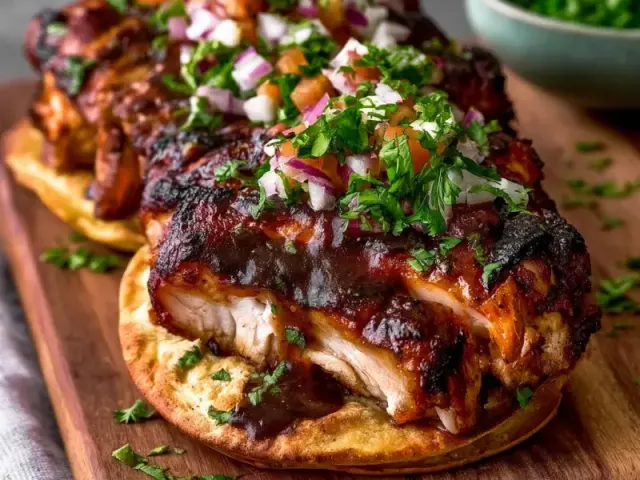
Crockpot BBQ Ribs: Fall-Off-The-Bone Every Time
I love a rack of ribs that pulls apart with the lightest tug. No sawing with a knife, no wrestling with the bone. Just meat that clings to the bone until you bite, then releases cleanly. That's the goal. And a slow cooker gets you there with almost no hands-on time. But here's the thing: a slow cooker alone can leave ribs tasting like pot roast—tender, sure, but missing that sticky, charred edge. That's where my two-step method comes in.

The Dry Rub Ratio That Works
For two racks of baby back ribs, I use a 2:1 ratio of brown sugar to smoked paprika, with smaller amounts of garlic and onion powder for depth. The sugar isn't just for sweetness; it helps form a crust during the broiler finish. Smoked paprika gives that campfire flavor without a smoker. I keep the salt to 1 teaspoon total—any more and the sauce will push it over the edge. If you like heat, 1/2 teaspoon of cayenne adds a gentle warmth that doesn't overpower.
The Most Important Step: Pull the Membrane
I know, it's fiddly. But that thin, silvery skin on the back of the ribs turns into a tough, plastic-like sheet when cooked. You can't bite through it. To remove it, slide a butter knife under the membrane at one end of the rack, lift it just enough to get a grip with a paper towel, then pull. It should come off in one piece. If it tears, just start again. This takes 30 seconds per rack and changes the entire eating experience.
What to Look For When the Ribs Are Done
After 7 hours on low, the meat should be tender but not falling off the bone. I lift one rack with tongs—if it bends and the meat cracks slightly on the surface, it's ready. If the meat slides off the bone when you pick it up, you've gone too far. That's mushy territory. Every slow cooker runs a little differently, so check at 7 hours, then again at 7.5 if needed.
The Broiler Finish: Where the Magic Happens
Here's the trick that makes these ribs taste like they spent time on a grill: after slow cooking, move them to a foil-lined baking sheet, brush with a sauce that's been thinned with apple cider vinegar (2 tablespoons vinegar per cup of sauce), and broil on high for 3-5 minutes. The vinegar cuts the sweetness and helps the sauce caramelize without burning. Watch the ribs the whole time—broilers vary wildly. You want bubbling, dark spots, not black edges. Pull them when the sauce is sticky and beginning to char.
Why Apple Cider Vinegar in the Sauce?
Straight barbecue sauce can be cloying after a few bites. The vinegar adds acidity that balances the richness of the pork and the sugar in the rub. It also helps the sauce adhere to the meat rather than sliding off in a glossy puddle. I use a 4:1 ratio of sauce to vinegar—enough to taste the tang without losing the barbecue flavor.
The Common Mistake to Avoid
Don't add liquid to the slow cooker. I see recipes that call for a cup of broth or soda, and it always results in ribs that are more like boiled meat than slow-cooked. The ribs release plenty of moisture on their own. Adding extra liquid dilutes the rub and makes the texture waterlogged. Trust the natural juices. When you transfer the ribs to the baking sheet, pour off the cooking liquid—it's done its job.
My Takeaway
These ribs are a weeknight win because the slow cooker does the heavy lifting while you go about your evening. The broiler finish takes five minutes and delivers the texture that makes ribs feel special. Pull the membrane, keep the rub simple, and don't skip the vinegar in the sauce. That's the whole method. Serve with coleslaw or cornbread, and you've got a meal that tastes like it took all day—because it did, but you barely lifted a finger.
Frequently Asked Questions
Can I use spare ribs instead of baby back ribs?
Yes, spare ribs work too. They are meatier and have more fat, so they may need an extra 30-60 minutes on low. Check tenderness at the 8-hour mark.
Do I need to add liquid to the crockpot?
No. The ribs release enough moisture as they cook. Adding liquid, like broth or water, will make them soggy and dilute the rub. Trust the process.
Why do you finish the ribs under the broiler?
Slow cookers produce tender meat, but they don't create a crust. The broiler caramelizes the sauce and gives a slight char, mimicking the texture of grilled ribs. It only takes a few minutes, so watch closely to avoid burning.
How do I keep the ribs from being too salty?
The salt in the dry rub is enough for the amount of meat. If your barbecue sauce is high in sodium (check the label), use a low-sodium version or reduce the salt in the rub to 1/2 teaspoon.
Can I prep the ribs the night before?
Absolutely. Apply the dry rub, wrap the ribs in plastic wrap, and refrigerate overnight. The next day, just put them in the slow cooker. This deepens the flavor.
Weeknight Crockpot BBQ Ribs

Tender, juicy ribs made in a slow cooker with a quick oven finish for that caramelized bark. A simple dry rub and a pro ratio for the sauce make all the difference.
- Slow cooker (6-quart or larger)
- baking sheet
- aluminum foil
- tongs
- small bowl
- pastry brush or basting brush
- sharp knife
- 2 racks baby back ribs (about 4-5 lbs total)
- 2 tablespoons brown sugar
- 1 tablespoon smoked paprika
- 1 teaspoon garlic powder
- 1 teaspoon onion powder
- 1 teaspoon salt
- 1/2 teaspoon black pepper
- 1/2 teaspoon cayenne pepper (optional)
- 1 cup barbecue sauce (your favorite brand or homemade)
- 1/4 cup apple cider vinegar
- Remove the thin membrane from the back of each rib rack. Slide a butter knife under the membrane at one end, then grip it with a paper towel and pull it off. This is the single most important step for tenderness.
- In a small bowl, mix the brown sugar, smoked paprika, garlic powder, onion powder, salt, black pepper, and cayenne if using. Rub this mixture all over both racks of ribs, coating every surface. Let them sit at room temperature for 15 minutes.
- Place the ribs in the slow cooker, standing them up along the sides if needed, or cutting each rack in half to fit. Do not add any liquid. The ribs will release their own juices.
- Cook on LOW for 7-8 hours, or on HIGH for 4-5 hours. The meat should be tender but not falling completely off the bone when you lift the rack with tongs. Overcooking makes them mushy, so check at the 7-hour mark on low.
- About 20 minutes before the ribs are done, preheat your oven broiler to high. Line a baking sheet with aluminum foil.
- Carefully transfer the ribs from the slow cooker to the prepared baking sheet, meaty side up. Discard the cooking liquid.
- In a small bowl, mix the barbecue sauce with the apple cider vinegar. Brush a generous layer over the tops of the ribs.
- Broil for 3-5 minutes, watching closely, until the sauce is bubbly and beginning to char in spots. Remove from the oven, let rest for 5 minutes, then slice between the bones and serve with extra sauce on the side.
For storage: Keep leftover ribs in an airtight container in the fridge for up to 4 days. Reheat in a 300°F oven wrapped in foil for 15 minutes, or in the microwave in 30-second bursts. Freeze for up to 3 months. To serve, broil again briefly to refresh the bark. The apple cider vinegar in the sauce is my trick for cutting through the richness and balancing the sweetness. Don't skip the membrane removal—it's the difference between a pleasant bite and a chewy one.
Recipe: Weeknight Crockpot BBQ Ribs
Equipment
- Slow cooker (6-quart or larger)
- baking sheet
- aluminum foil
- tongs
- small bowl
- pastry brush or basting brush
- sharp knife
Ingredients
- 2 racks baby back ribs (about 4-5 lbs total)
- 2 tablespoons brown sugar
- 1 tablespoon smoked paprika
- 1 teaspoon garlic powder
- 1 teaspoon onion powder
- 1 teaspoon salt
- 1/2 teaspoon black pepper
- 1/2 teaspoon cayenne pepper (optional)
- 1 cup barbecue sauce (your favorite brand or homemade)
- 1/4 cup apple cider vinegar
Instructions
- Remove the thin membrane from the back of each rib rack. Slide a butter knife under the membrane at one end, then grip it with a paper towel and pull it off. This is the single most important step for tenderness.
- In a small bowl, mix the brown sugar, smoked paprika, garlic powder, onion powder, salt, black pepper, and cayenne if using. Rub this mixture all over both racks of ribs, coating every surface. Let them sit at room temperature for 15 minutes.
- Place the ribs in the slow cooker, standing them up along the sides if needed, or cutting each rack in half to fit. Do not add any liquid. The ribs will release their own juices.
- Cook on LOW for 7-8 hours, or on HIGH for 4-5 hours. The meat should be tender but not falling completely off the bone when you lift the rack with tongs. Overcooking makes them mushy, so check at the 7-hour mark on low.
- About 20 minutes before the ribs are done, preheat your oven broiler to high. Line a baking sheet with aluminum foil.
- Carefully transfer the ribs from the slow cooker to the prepared baking sheet, meaty side up. Discard the cooking liquid.
- In a small bowl, mix the barbecue sauce with the apple cider vinegar. Brush a generous layer over the tops of the ribs.
- Broil for 3-5 minutes, watching closely, until the sauce is bubbly and beginning to char in spots. Remove from the oven, let rest for 5 minutes, then slice between the bones and serve with extra sauce on the side.