
The first time I made this shrimp on a sticky July evening, I wanted something that wouldn’t weigh me down. Most lemon garlic shrimp recipes drown in butter. That’s fine for winter. But when the air is thick and you’re craving citrus, butter feels heavy. So I swapped it. A splash of broth, a good glug of olive oil, and a lot of fresh lemon—zest and juice both. The result is a shrimp that’s bright, tender, and still feels like a treat.

Why Broth Instead of Butter
Butter emulsifies sauce beautifully, but it coats your palate. For a light summer dish, I want the lemon and garlic to hit clean. Broth does that. It deglazes the pan, picks up the browned bits (that’s flavor), and reduces into a thin, savory glaze. Olive oil adds richness without the cling. The trick is to use low-sodium broth so you control the salt. Shrimp are naturally briny; you don’t need extra.
Choosing and Prepping Shrimp
Look for raw shrimp, 21-25 count per pound. That size cooks fast and stays plump. Peel them yourself if you can—the shells add flavor if you simmer them for stock, but for this quick skillet, peeled is fine. Devein them: a shallow slit down the back, rinse out the dark line. Then the most important step: pat them absolutely dry with paper towels. Wet shrimp steam, not sear. Dry shrimp get that golden-brown edge that makes the dish sing.
The Temperature Window
Medium-high heat is non-negotiable. If your pan isn’t hot enough, the shrimp release liquid and boil. You want a shimmer on the oil, almost smoking. Lay shrimp in a single layer—crowding drops the temperature. Cook 1 minute per side. They should be pink with some browned spots, and the thickest part should feel just firm. A meat thermometer? 120°F is ideal. Remove them immediately.
The Garlic Moment
After the shrimp come out, the heat goes down to medium. Garlic burns fast. Add it to the residual oil, stir constantly for 30 seconds. You’ll smell it bloom—toasty, not acrid. If you like a little heat, add red pepper flakes here. They toast in the oil and release their warmth without overwhelming.
Building the Sauce
Pour in the broth and lemon juice. Scrape the pan with a wooden spoon—those brown bits are concentrated flavor. Let it bubble and reduce for about a minute. You want about 2 tablespoons of liquid left, slightly syrupy. Taste it. Adjust salt if needed. The lemon should be bright but not sour; if it’s too sharp, a tiny pinch of sugar balances it. Then add the lemon zest. Zest goes in at the end so its oils stay volatile and aromatic.
Finishing Touches
Return the shrimp to the pan, add parsley, and toss everything for 30 seconds. That’s it. Serve immediately. The shrimp will continue to cook in the residual heat, so don’t linger. Spoon the sauce over the top. I like it with zucchini noodles or a handful of arugula that wilts slightly from the warmth. A side of crusty bread works too—just to catch every drop.
Common Mistake to Avoid
Adding the lemon juice too early. If you cook lemon juice for more than a minute or two, it loses its brightness and turns flat. Always add it after the aromatics, right before you reduce. And never skip the zest—that’s where the true lemon perfume lives. The juice gives acidity, the zest gives aroma. You need both.
Takeaway
This light summer lemon garlic shrimp is proof that a few ingredients, handled with care, can outshine any complicated recipe. Keep your shrimp dry, your heat high, and your lemon fresh. The broth-based sauce lets the citrus and garlic shine without heaviness. One bite, and you’ll wonder why you ever used butter.
Frequently Asked Questions
Can I use frozen shrimp for this recipe?
Yes, but thaw them completely and pat very dry before cooking. Excess moisture will steam the shrimp instead of searing them, making them rubbery.
What can I substitute for chicken broth?
Vegetable broth, dry white wine (like Pinot Grigio), or even water with a pinch of salt work well. Wine adds acidity, so consider reducing lemon juice slightly.
How do I keep shrimp from overcooking?
Cook them just until they turn pink and curl into a loose C shape. Remove from heat immediately. Overcooked shrimp become tough and chewy because their proteins tighten too much.
Is this recipe gluten-free?
Yes, as written. Just ensure your broth is labeled gluten-free. Serve with rice or vegetables for a complete gluten-free meal.
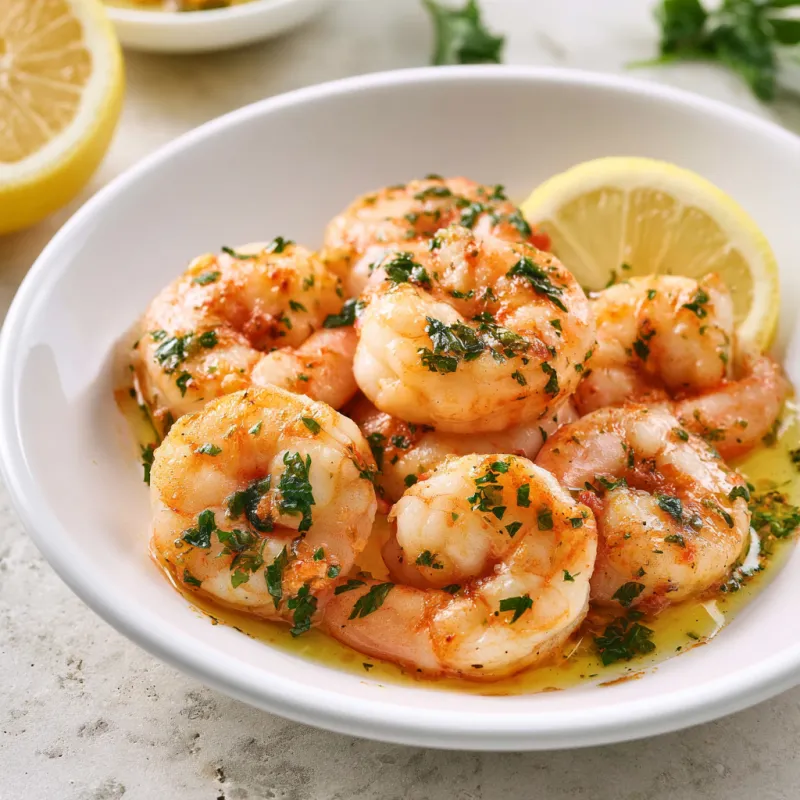
Light Summer Lemon Garlic Shrimp
Ingredients
Equipment
Method
- Pat shrimp dry with paper towels. Season lightly with salt and pepper.
- Heat olive oil in a large skillet over medium-high heat until shimmering.
- Add shrimp in a single layer. Cook 1 minute per side, until pink and just opaque. Transfer to a plate.
- Reduce heat to medium. Add garlic and red pepper flakes; stir 30 seconds until fragrant.
- Pour in broth and lemon juice, scraping up browned bits. Simmer 1 minute.
- Return shrimp to skillet. Toss with lemon zest and parsley. Cook 30 seconds. Serve immediately.