
The smell of yogurt and cumin hitting hot metal. That sizzle. The way the edges of the chicken turn a deep, caramelized brown while the inside stays juicy. That’s what these skewers are about. No fuss, no long ingredient lists, no hour-long marinating sagas. Just a bright, tangy marinade that does the work for you, and a 10-minute grill time that gets dinner on the table before the summer light fades.

I keep the ratio at one part yogurt to about half a part lemon and oil combined. That balance is key: enough acid to brighten and tenderize, enough fat to carry the spices and keep the meat moist. The yogurt clings to the chicken, creating a thin crust as it grills. That crust traps the juices inside. It’s a simple technique, but it makes all the difference between a skewer that’s dry and one that’s so tender you barely need a knife.
Why Yogurt Works Better Than a Vinegar Marinade
Yogurt contains lactic acid, which is milder than the acetic acid in vinegar. It tenderizes the chicken gradually, without turning the outer layer mushy or giving it that sharp, sour edge. The enzymes in the yogurt also help break down proteins, but gently. I’ve tested both side by side, and the yogurt version always comes out more succulent. The fat in the yogurt also helps the spices bloom on the grill, so you get a deeper flavor without burning.
The Right Cut and the Right Skewer
Boneless, skinless chicken thighs are my go-to here. They have enough fat to stay moist over high heat, and they’re forgiving if you overcook them by a minute. Cut them into 1.5-inch cubes. Too small and they dry out; too large and the outside burns before the inside reaches 165°F. I use metal skewers because they conduct heat and cook the meat from the inside as well. If you’re using wooden skewers, soak them in water for 20 minutes first. Otherwise, the exposed ends will char and snap.
Thread the pieces with a small gap between each one—about a quarter inch. That space lets the heat circulate, so every side gets that even, golden sear. If you’re adding vegetables, like bell pepper and red onion, cut them to the same size as the chicken and thread them alternately. But keep the ratio two pieces of chicken to one piece of vegetable, so the protein stays the star.
Grill Temperature and Timing
Preheat your grill to medium-high, around 400°F. Too low and the chicken will steam instead of sear. Too high and the yogurt crust will blacken before the center is cooked. I use an instant-read thermometer every time. It’s the only reliable way to know when it’s done. Insert it into the thickest piece, away from the skewer. Pull the skewers at 160°F; carryover heat will bring them to 165°F as they rest.
Cook for 5 minutes on the first side, then flip. You should see distinct grill marks and a slight browning. If the chicken sticks when you try to flip, it’s not ready. Give it another minute. The yogurt creates a crust that releases cleanly when it’s properly seared.
A Common Mistake to Avoid
Don’t overcrowd the skewers. Leave space between the pieces, and don’t pile them on the grill too close together. The heat needs to circulate. If you’re cooking for a crowd, work in batches and keep the cooked skewers in a low oven (200°F) while you finish the rest. This keeps them warm without drying them out.
Serving and Storing
Let the skewers rest for three minutes after grilling. This lets the juices redistribute. Serve them with a side of tzatziki or a simple lemon-herb salad. Leftovers keep in the fridge for up to three days. Reheat gently in a skillet over medium heat, with a splash of water or lemon juice to add moisture back. Avoid the microwave—it will toughen the meat.
A quick note on caffeine and health: while this recipe is caffeine-free, if you’re pairing it with coffee or an iced drink, remember that caffeine affects everyone differently. Individual sensitivity varies. For personalized dietary advice, please consult a qualified professional.
Takeaway
These skewers are about trust. Trust the yogurt to tenderize. Trust the heat to sear. Trust the thermometer to tell you when it’s done. No fuss, no stress—just good, simple cooking that tastes like summer.
Frequently Asked Questions
Can I use chicken breast instead of thighs?
Yes, but reduce the marinating time to 1 hour max and cook to 160°F, then let carryover heat bring it to 165°F. Breasts dry out faster, so keep a close eye on the temperature.
How long can I marinate the chicken?
30 minutes to 4 hours is ideal. Beyond that, the yogurt’s lactic acid will start breaking down the proteins too much, making the chicken mushy. I stick to 2 hours for the best texture.
Do I need to oil the grill grates?
Yes, lightly oil the grates with a high-smoke-point oil like avocado or grapeseed before preheating. This prevents the yogurt marinade from sticking and helps create those nice char marks.
What if I don’t have a grill?
Use a grill pan over medium-high heat, or broil the skewers in the oven on a lined baking sheet about 6 inches from the heating element. Broil for 4 minutes per side, checking the internal temperature.
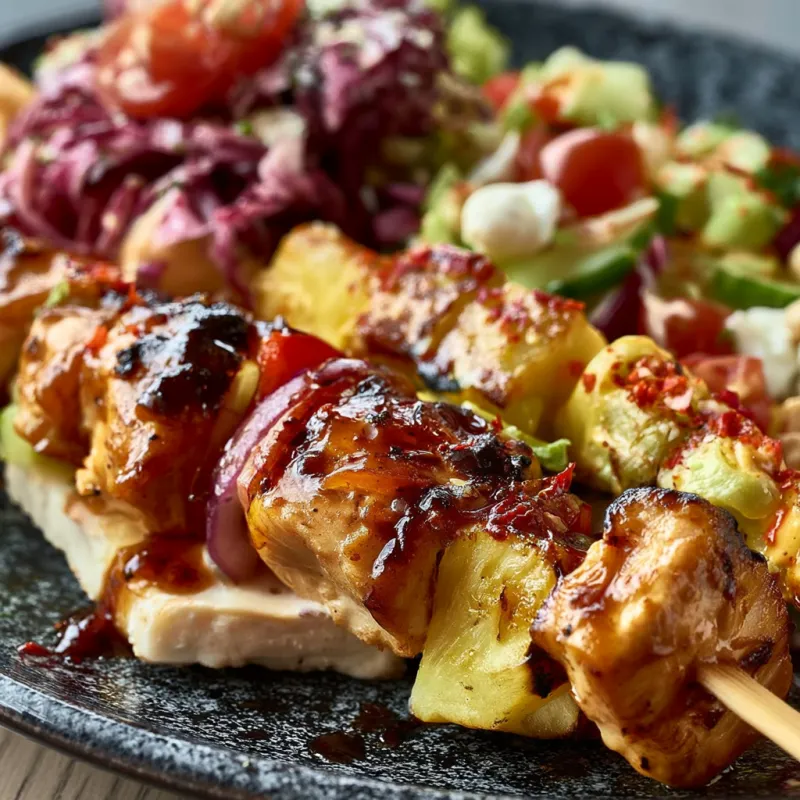
No-Fuss Summer Healthy Chicken Skewers
Ingredients
Equipment
Method
- In a mixing bowl, whisk together the yogurt, lemon juice, olive oil, garlic, cumin, paprika, salt, and pepper until smooth.
- Add the chicken cubes and toss to coat evenly. Cover and refrigerate for at least 30 minutes, or up to 4 hours.
- If using wooden skewers, soak them in water for 20 minutes to prevent burning. Thread the chicken onto skewers, leaving a small gap between pieces. If using vegetables, alternate them with the chicken.
- Preheat your grill or grill pan to medium-high heat (about 400°F). Lightly oil the grates.
- Place skewers on the grill and cook for 5 minutes per side, turning once, until the internal temperature reaches 165°F on an instant-read thermometer. The exterior should have char marks and the yogurt marinade will create a slight crust.
- Remove from heat and let rest for 3 minutes before serving.